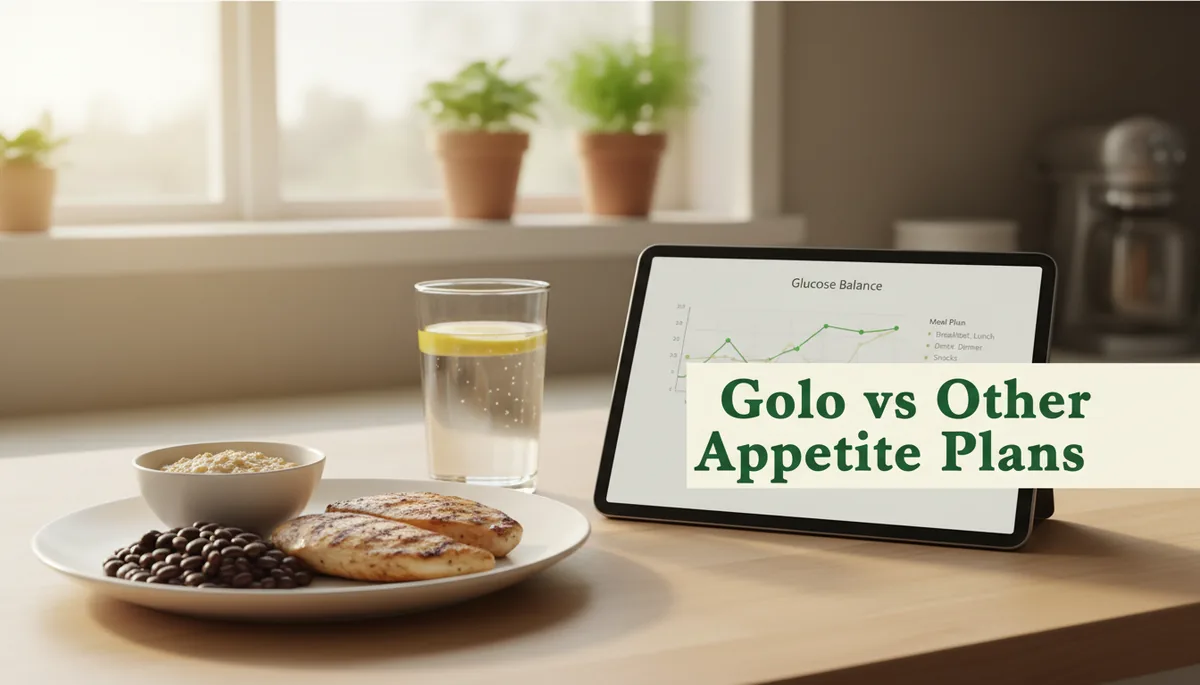
Golo versus other appetite suppression strategies: which option fits your goals
If you’re weighing options to reduce appetite and lose weight, the choices can feel overwhelming: commercial programs like Golo, prescription drugs such as Ozempic (semaglutide), over‑the‑counter pills, or simply changing what and how you eat. This article gives a practical, no‑hype comparison so you can pick what best matches your health needs, timeline, budget, and willingness to use medical supervision. ⏱️ 7-min read
Golo 101: what it is and how it targets appetite
Golo is a commercial weight‑management program that centers on the idea of “glucose balance” to help control hunger. It combines a guided eating plan—emphasizing whole foods, balanced meals, and portion awareness—with a daily supplement (marketed to support metabolic balance). The program provides meal structures, recipes, and coaching options depending on the package you choose.
What to expect in practice: the plan nudges you toward consistent protein and fiber intake, reduced refined carbs, and scheduled meals to blunt spikes and crashes in blood sugar that can trigger cravings. The supplement is presented as an adjunct to the eating plan, not a standalone fix.
Important caveats: results vary by individual. Some people report steady, sustainable weight loss when they adopt the behavioral and meal‑planning components; others find the cost or supplement element unnecessary. Golo emphasizes long‑term habit change rather than rapid short‑term results, so it can suit someone who wants structured guidance and isn’t looking for immediate pharmaceutical appetite suppression.
Ozempic as an appetite suppressant: how it works and who it suits
Ozempic is a brand name for semaglutide, a prescription medication originally developed for type 2 diabetes that also reduces appetite and slows gastric emptying. At therapeutic doses, semaglutide can substantially reduce hunger and caloric intake, and it’s now commonly prescribed (under medical supervision) for weight management in people meeting specific clinical criteria.
Key points about how it works and safety:
- Mechanism: acts on GLP‑1 receptors to decrease appetite and increase feelings of fullness; it also slows stomach emptying.
- Effectiveness: many people experience notable appetite reduction and weight loss, often more rapid than with behavioral programs alone.
- Side effects: common ones include nausea, vomiting, diarrhea, and constipation. Less common but serious concerns include pancreatitis and gallbladder issues.
- Contraindications and warnings: not suitable during pregnancy; people with a personal or family history of medullary thyroid carcinoma or multiple endocrine neoplasia syndrome type 2 should avoid it. Discuss risks with your prescriber.
- Monitoring and cost: requires a clinician’s prescription and follow‑up. Cost can be high if insurance does not cover it; some insurers cover semaglutide for diabetes or approved weight‑loss indications, but coverage varies.
Who it suits: individuals who need stronger, medically supervised appetite suppression, especially when lifestyle measures haven’t worked, and who are willing to manage potential side effects and medication costs.
Non-prescription and OTC options: what to know
The OTC market includes a wide range of appetite‑control pills and supplements—some emphasize stimulants (caffeine, green tea extract, synephrine), others use soluble fibers (glucomannan), or blends of herbal ingredients. Evidence and product quality vary widely.
Practical considerations and risks:
- Variable evidence: a few ingredients (like glucomannan) have modest, short‑term evidence for reducing intake, but many blends lack strong clinical support.
- Safety signals: stimulant ingredients can raise heart rate and blood pressure, interact with prescription drugs, and worsen anxiety or sleep problems for some people.
- Labeling and quality: supplements are less regulated than prescription drugs, so dosing, purity, and ingredient lists can be inconsistent.
- When to consult a clinician: always check with a healthcare provider—especially if you have heart disease, take other medications, are pregnant, or have chronic health conditions.
Bottom line: OTC options can be lower cost and more accessible, but they’re a mixed bag. Treat them cautiously and prioritize products with transparent labeling and independent testing when possible.
Natural appetite suppressants and foods that curb cravings
Dietary changes are the safest, most sustainable first step for most people. Foods and patterns that increase satiety and reduce cravings focus on protein, fiber, and water‑rich volume. These slow digestion, stabilize blood sugar, and keep you fuller between meals.
- Protein sources: eggs, Greek yogurt, cottage cheese, lean poultry, tofu, legumes—aim for protein at each meal.
- High‑fiber choices: beans, lentils, oats, whole fruits, vegetables, and whole grains—fiber delays gastric emptying and supports fullness.
- Water and volume: broth‑based soups, salads, and vegetables provide bulk with fewer calories and can reduce meal intake.
- Other useful ingredients: nuts and seeds (small portions for satiety), resistant starch (cooled potatoes or rice), and high‑fiber snacks like air‑popped popcorn.
Actionable ideas:
- High‑protein breakfast: eggs or Greek yogurt plus oats or fruit to blunt midmorning hunger.
- Fiber‑forward snacks: apple with nut butter, hummus with raw veggies, or a small bowl of oatmeal with berries.
- Hydrate before meals: a glass of water 15–30 minutes before eating can lower immediate intake for some people.
Cost, access, and safety: choosing the right path for your goals
When deciding, weigh speed of results, need for medical oversight, affordability, and long‑term sustainability.
- Golo: typically sold as a program (meal plans, coaching, supplements) with subscription costs and out‑of‑pocket supplements—moderate cost depending on package. No prescription required, but variable clinical evidence for the supplement itself.
- Prescription (Ozempic/semaglutide): potentially the most effective for appetite suppression but requires a prescriber, monitoring, and can be expensive without insurance coverage; follow‑up is important for safety.
- OTC pills: low to moderate cost but inconsistent efficacy and quality; can carry cardiovascular or interaction risks depending on ingredients.
- Natural strategies: lowest direct cost and highest safety; require behavior change and time, but they’re sustainable and can be combined with other approaches under supervision.
Safety priority: if you have chronic conditions, take other medications, are pregnant, or have a family history of endocrine cancers, consult your clinician before starting prescription drugs or new supplements.
Meal plans and structure: how Golo compares to other plans
Golo’s approach centers on “balanced” meals designed to stabilize glucose—regular meal timing, protein at each meal, and controlled portions of carbohydrates. Meals are generally simple: lean protein, vegetables, healthy fats, and measured starchy carbs when appropriate.
Comparing programs: evaluate these features when choosing a plan:
- Meal timing and flexibility: does the plan require fixed meal times or allow for a busy schedule?
- Portion control guidance: are portions practical and clearly explained or unrealistic?
- Nutritional balance: does the plan include sufficient protein and fiber to promote satiety?
- Support and education: does the program offer coaching, recipes, and skills you can sustain after the program ends?
Sample daily framework inspired by the Golo-style structure:
- Breakfast: protein (eggs or yogurt) + fiber (oats or fruit).
- Lunch: lean protein + mixed vegetables + small portion of whole grain or starchy vegetable.
- Snack (if needed): fiber/protein combo (hummus + veggies or apple + nut butter).
- Dinner: protein + vegetables + modest carbs; finish eating a couple hours before bedtime if nighttime hunger is an issue.
Strategies for emotional eating and nighttime cravings
Appetite isn’t just physical—emotions, sleep, and environment play big roles. Tactics that address those drivers make any appetite strategy more effective.
Practical tools:
- Mindful eating: remove distractions, eat slowly, and check hunger levels before and after meals.
- Sleep and stress: prioritize 7–9 hours of sleep and stress‑reduction practices; poor sleep increases appetite hormones and cravings.
- Evening routines: preportion evening snacks, brush your teeth after dinner, and create a wind‑down activity (reading, short walk) to replace snacking.
- Environmental tweaks: keep tempting foods out of sight, make healthy options easy to grab, and remove single‑serve triggers.
- Delay and replacement: when a craving hits, delay for 10–20 minutes and try a quick non‑food activity—call a friend, short breathing exercise, or a glass of water.
These behavioral strategies pair well with any of the appetite approaches above—prescription or not—and improve the odds of long‑term success.
Final thought: there’s no one‑size‑fits‑all answer. If you want structured guidance without prescription drugs, a program like Golo may provide useful coaching and meal templates. If you need stronger, medically supervised appetite suppression, discuss semaglutide options with your clinician. For most people, combining sensible, protein‑ and fiber‑based eating patterns with behavioral tools is the safest, most sustainable foundation—supplements or drugs can be considered on top of that foundation with appropriate medical advice.
Powered by Trafficontent